
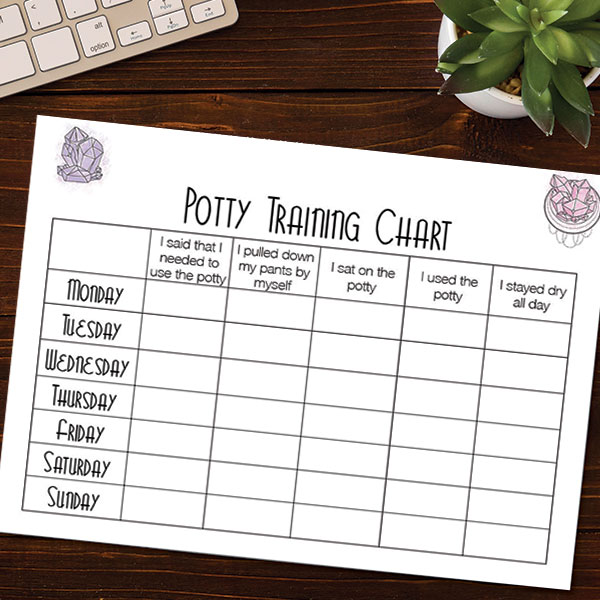
Potty Training Charts
Crystal Potty Training Chart
$1.50
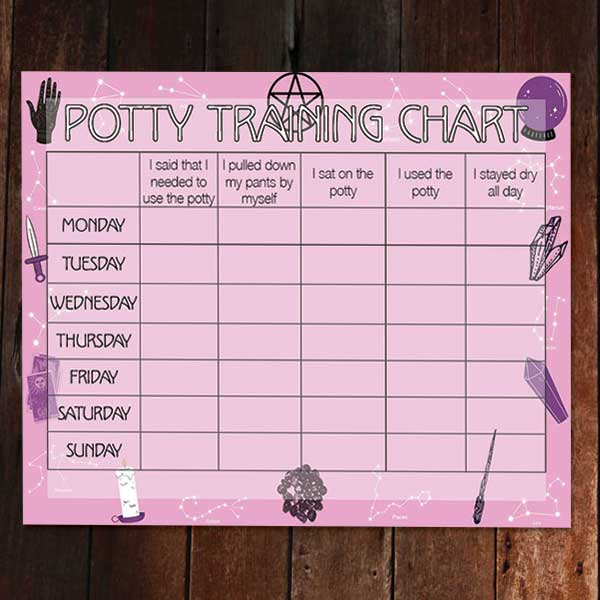
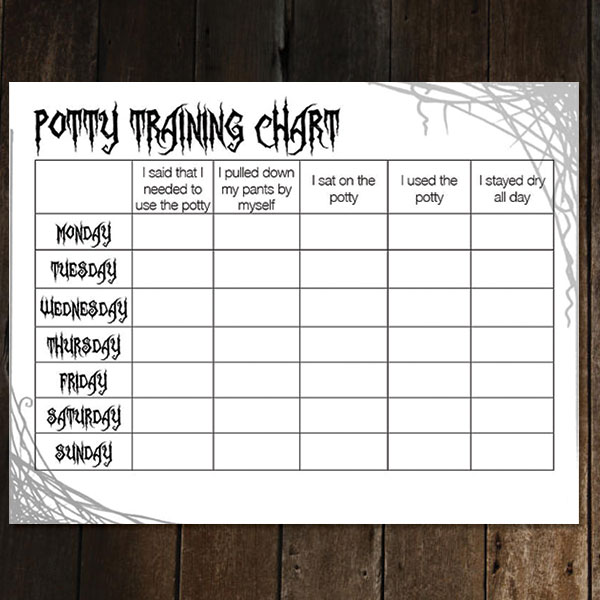
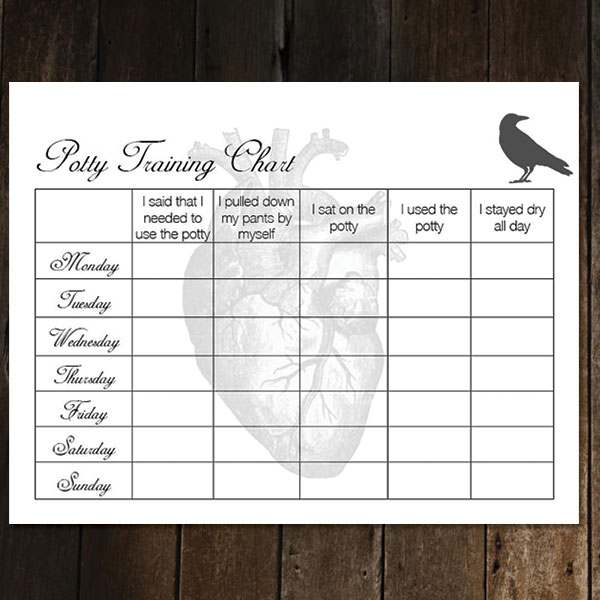
$1.50
Potty training can be a challenging and messy task for parents. But what if there was a fun and effective way to encourage your baby to use the potty? The Printable Potty Training Charts are the perfect solution! These innovative and adorable tools are designed to make the potty training process easy while keeping your little one engaged and excited about reaching this important milestone.
These Printable Potty Training Charts are more than just a cute pieces of paper; it serves as a visual aid and motivator to help your baby bat stay committed to their potty training journey. This printable chart features a delightful bat theme with colorful illustrations, making it visually appealing for your little one. As they successfully use the potty, they can mark their progress on the chart, creating a sense of accomplishment and keeping them motivated to continue their efforts. With this chart, potty training becomes a fun and interactive experience for both you and your baby bat!
//pl22069219.profitablegatecpm.com/d5932a93c97bedd515e1e0dc22155b37/invoke.js- The Benefits of Using a Printable Baby Bat Potty Training Chart
Potty training is an essential milestone in a child’s development, and it can often be a challenging time for both parents and children. However, with the help of a printable baby bat potty training chart, this process can become not only easier but also more fun and effective. In this section, we will explore the benefits of using a printable baby bat potty training chart and how it can contribute to successful potty training.
First and foremost, a printable baby bat potty training chart provides a visual representation of your child’s progress. This is important because young children often respond better to visual cues rather than solely verbal instructions. With a potty training chart, your child can see their achievements in a tangible way, which can be a great source of motivation and encouragement. Each time they successfully use the potty, they can mark their accomplishment on the chart, and watching their achievements stack up can boost their confidence and make them eager to continue the progress.
Apart from providing motivation, a potty training chart also helps to establish a routine. Consistency is key when it comes to potty training, and a visual aid can help both parents and children stay on track. By incorporating the chart into your daily routine, you can create a structured schedule around bathroom breaks and reinforce positive habits. As your child sees their progress reflected on the chart, they will understand the importance of regular bathroom visits and develop good potty habits more quickly.
Using a printable baby bat potty training chart also allows for customization and personalization. Each child is unique, and their potty training journey may differ from others. Having a printable chart allows you to tailor it to your child’s specific needs, preferences, and interests. You can personalize the chart with your child’s name, and favorite colors, or even add stickers and rewards for additional motivation. When children feel invested in their potty training chart, they are more likely to actively participate and take ownership of their progress.
Another advantage of using a printable baby bat potty training chart is that it fosters parent-child communication and engagement. Potty training requires active involvement from parents, and a chart can act as a visual aid to guide communication between you and your child. It allows you to track and discuss your child’s progress, celebrate their successes, and address any setbacks or challenges together. By involving your child in the process and providing consistent feedback, you create a supportive and nurturing environment that promotes their independence and self-confidence.
Finally, using a printable baby bat potty training chart introduces your child to the concept of goal-setting and achievement. As they mark off their successful potty trips, they learn how to set small achievable goals and experience the satisfaction of reaching them. This valuable life skill will transcend potty training and can be applied to various aspects of their future development.
In summary, a printable baby bat potty training chart offers numerous benefits that can greatly enhance the potty training experience. It provides visual motivation, promotes routine and consistency, allows for personalization, encourages communication, and teaches important life skills. By incorporating a potty training chart into your child’s routine, you can make the process enjoyable and rewarding for both you and your little one.
//pl22068934.profitablegatecpm.com/27/61/67/276167ebf4205c64147951c233efadc7.js- How to Choose the Perfect Pastel Goth Design for Your Baby Bat’s Potty Training Chart
Potty training is an important milestone in your baby bat’s life, and what better way to make it fun and exciting than with a beautifully designed potty training chart? If you’re a fan of the pastel goth aesthetic, you’ll be delighted to know that you can incorporate this unique style into your baby bat’s potty training journey. Here are some tips on how to choose the perfect pastel goth design for your little one’s potty training chart.
1. Embrace the Dark and Cute:
Pastel goth is all about the fusion of darkness and cuteness. When selecting a design for your baby bat’s potty training chart, look for elements that combine both these aspects. For example, you can opt for charming pastel colors like lavender, baby pink, or mint green, and pair them with cute, slightly spooky images such as bats, moons, stars, or adorable little ghosts. Remember, it’s all about finding the right balance between sweetness and a touch of darkness!
2. Choose Unique and Eye-Catching Images:
Pastel goth design is known for its distinctive and often unconventional imagery. When it comes to your baby bat’s potty training chart, consider selecting illustrations or icons that are out of the ordinary. Look for designs that feature whimsical characters and unusual elements like skeleton animals, mystical creatures, or eerie landscapes. These imaginative and attention-grabbing images will surely captivate your baby bat’s attention during their potty training journey.
3. Incorporate Trendy Pastel Goth Patterns:
Patterns are an essential part of any pastel goth design. To create an appealing potty training chart for your baby bat, consider incorporating trendy pastel goth patterns such as stripes, moons and stars, bats, or creepy-cute motifs like skulls and crossbones. These patterns will add depth and visual interest to the chart, making it an exciting and visually engaging tool for your little one.
4. Personalize with your Baby Bat’s Name:
Adding a personal touch to your baby bat’s potty training chart is a great way to make it feel special and unique. Consider including your little one’s name in a stylized font or integrating it into the design elements. This personalized detail will not only make the chart more appealing to your baby bat but will also give them a sense of ownership and pride in their potty training progress.
5. Keep It Simple and Easy to Understand:
While you want your baby bat’s potty training chart to be visually appealing, it’s important to keep it simple and easy to understand. Avoid cluttering the chart with excessive details or overwhelming imagery. Opt for clear, straightforward visuals that represent specific milestones or achievements during the potty training process. This simplicity will make it easier for your baby bat to track their progress and encourage them to continue reaching new goals.
In conclusion, choosing the perfect pastel goth design for your baby bat’s potty training chart can add a touch of whimsy and excitement to their potty training journey. Embrace the mix of darkness and cuteness that characterizes pastel goth aesthetics, and select unique and eye-catching images that capture your baby bat’s imagination. Incorporate trendy patterns and personalize the chart with your baby bat’s name to make it even more special. Remember, simplicity and clarity are key when designing the chart, ensuring that it remains a fun and effective tool
- Step-by-Step Guide to Potty Training Your Baby Bat Using a Printable Chart
Potty training your baby bat can be an exciting and rewarding experience for both you and your little one. While every bat is different, using a printable potty training chart can help make the process more fun and effective. In this step-by-step guide, we will walk you through the process of potty training your baby bat using a printable chart.
Step 1: Introduce the Concept
Before diving into potty training, it is important to introduce the concept of using a potty to your baby bat. Start by placing a small potty in an accessible and quiet area of your home. Allow your baby bat to explore the potty and get familiar with it. You can talk to your baby bat about the purpose of the potty and how it can help them go to the bathroom like a big bat.
Step 2: Create a Printable Potty Training Chart
Next, it’s time to create a printable potty training chart. This chart will serve as a visual representation of your baby bat’s progress and achievements in potty training. You can find numerous printable charts online or design one yourself according to your baby bat’s preferences. Make sure to include spaces for each day of the week and various milestones, such as successfully using the potty, washing hands, or staying dry throughout the night.
Step 3: Explain the Chart to Your Baby Bat
Take a moment to sit down with your baby bat and explain how the potty training chart works. Point out the different sections and explain that they can earn stickers or small rewards for each accomplishment. Emphasize that the chart is a way to celebrate their progress and encourage them to keep trying their best.
Step 4: Establish a Potty Routine
Consistency is key when it comes to potty training. Establish a regular potty routine for your baby bat by setting specific times for them to use the potty. It can be helpful to align these times with their natural bathroom cues, such as after waking up, before and after meals, and before bedtime. Encourage your baby bat to sit on the potty during these designated times and provide gentle reassurance and praise for their efforts.
Step 5: Track Progress with Stickers
As your baby bat starts using the potty, keep track of their progress on the printable chart using stickers or marks. Whenever your baby bat successfully uses the potty or achieves a particular milestone, allow them to place a sticker in the corresponding space on the chart. Seeing their accomplishments visually will motivate them to continue using the potty.
Step 6: Celebrate Achievements
Celebrate your baby bat’s achievements throughout the potty training process. When they reach a certain number of stickers or complete a row on the chart, offer small rewards as incentives. These rewards can be simple, such as extra playtime, a favorite treat, or a special outing. Celebrating their milestones will reinforce their accomplishments and boost their confidence.
Step 7: Gradually Reduce the Use of Rewards
As your baby bat becomes more comfortable with using the potty, gradually reduce the number of rewards offered. This will encourage them to rely less on external incentives and more on their sense of achievement. Instead, focus on verbal praise and encouragement to motivate your baby bat to continue using the potty independently.
Remember, every baby bat is different, and potty training is a unique journey for each one. Be patient, supportive
- Troubleshooting Common Challenges in Potty Training Your Baby Bat
Potty training your baby bat may seem like a daunting task, but with patience and a positive attitude, you can overcome any challenges that come your way. In this section, we will discuss some common difficulties you might encounter during the potty training process and offer tips on how to troubleshoot them effectively.
One of the most common challenges in potty training your baby bat is accidents. It’s important to remember that accidents are a normal part of the learning process, so try not to get discouraged. Instead, use accidents as an opportunity to reinforce the importance of using the potty. When accidents happen, gently guide your baby bat to the designated potty area and use positive reinforcement to encourage them to try again. Remember, accidents are just setbacks, and with consistency and patience, your baby bat will eventually understand where they should be going.
Another challenge you might face is resistance from your baby bat. They may refuse to sit on the potty or show signs of fear or discomfort. If this happens, try to identify the underlying cause of their resistance. It could be due to their surroundings, the potty itself, or past negative experiences. Create a comfortable and inviting environment by ensuring the potty is clean and using a child-sized seat or a shallow container filled with unseasoned soil. Encourage your baby bat with treats, praise, or even engaging toys they can play with while on the potty. By creating a positive association, you can overcome their resistance and gradually build their confidence.
Transitioning from diapers to the potty is yet another challenge you may encounter. Babies are creatures of habit, so it’s natural for them to resist changing their routine. Start by gradually reducing the number of diapers used throughout the day and increasing the time spent on the potty. This gradual approach will help your baby bat adjust without feeling overwhelmed. Introduce regular potty times, such as after meals or naps, and be consistent with these routines. Offering rewards or stickers can also provide an incentive for your baby bat to use the potty instead of relying on diapers.
For some baby bats, nighttime training can be particularly challenging. Nighttime accidents are common as their bodies adjust to holding urine for longer periods while they sleep. To help minimize accidents, limit fluids before bedtime and make sure your baby bat uses the potty right before going to sleep. Invest in waterproof mattress covers or protective bedding to prevent any damage in case of accidents. Be patient and understanding during this phase, as nighttime training may take longer than daytime training for some baby bats.
Finally, it’s important to address any setbacks or regressions that may occur in the potty training journey. Just like with accidents, regressions are normal and can happen due to various reasons such as illness, changes in routine, or increased stress levels. If your baby bat regresses, revert to the basics and offer extra support and reassurance. Follow a predictable routine, provide reminders when it’s potty time, and celebrate successes to rebuild their confidence and motivation.
Potty training your baby bat is a journey that requires patience, consistency, and a positive mindset. Remember, every baby bat is unique, and they will progress at their own pace. By troubleshooting common challenges, offering support, and maintaining a positive environment, you can help your baby bat successfully transition from using diapers to using the potty. Keep the end goal in mind, and soon enough, your little one will
- Additional Tips and Resources for Successful Baby Bat Potty Training
Potty training your baby bat can be a challenging but rewarding experience. With consistency, patience, and some helpful tips, you can successfully train your baby bat to use the potty. Here are additional tips and resources to make the process smoother and more effective.
1. Establish a Routine: Like any other form of training, consistency is key. Establish a routine for your baby bat’s potty breaks. Take them to their designated potty area or litter box at the same times every day, such as after meals or waking up from a nap. Consistency in the routine will help them understand when it’s time to go potty.
2. Positive Reinforcement: Baby bats, like many other animals, respond well to positive reinforcement. Shower your baby bat with praise, affection, and rewards when they successfully use the potty. It can be as simple as giving them a treat, a gentle pat, or verbal encouragement. This positive association will motivate them to continue using the potty.
3. Patience is Key: Potty training takes time, and every baby bat learns at their own pace. It’s essential to be patient and understanding throughout the process. Avoid showing frustration or punishing your baby bat for accidents. Instead, remain calm and gently guide them back to their potty area. With consistent reinforcement and gentle guidance, they will learn to use the potty in due course.
4. Use Potty Training Aids: There are various potty training aids available in the market to assist with your baby bat’s training. Consider investing in a specially designed litter box or potty tray that is suitable for baby bats. These aids are often designed to be easily accessible and comfortable for your bat to use. Additionally, you can use potty pads or newspapers to absorb any accidents and make clean-up easier.
5. Seek Professional Advice: If you’re struggling with potty training or need extra guidance, it can be beneficial to consult a veterinarian or animal behaviorist. They can provide expert advice tailored to your baby bat’s specific needs and help troubleshoot any challenges or setbacks you may be facing. They may suggest alternative strategies or techniques based on your bat’s temperament and behavior.
Apart from these tips, there are several resources that you can utilize to assist you in potty training your baby bat effectively:
1. Online Forums and Communities: Join online forums or communities dedicated to bat enthusiasts or pet owners. These platforms can provide valuable insights, tips, and support from individuals who have successfully trained their baby bats.
2. Books and Guides: Look for books, guides, or manuals that focus on potty training for bats or general techniques for training small animals. These resources can help you understand the principles behind potty training and provide step-by-step instructions for success.
3. Online Tutorials and Videos: The internet is an excellent source of instructional videos and tutorials that demonstrate successful potty training techniques for baby bats. Watching these videos can give you visual guidance and inspiration for training your baby bat effectively.
Remember, potty training your baby bat requires patience, consistency, and positive reinforcement. By implementing these additional tips and utilizing available resources, you can increase your chances of successfully potty training your adorable baby bat. Keep in mind that each baby bat is unique, and it’s important to tailor your approach to their individual needs and preferences. With time and dedication, your baby bat will be using the potty like a pro in no time!
In conclusion, using a printable baby bat potty training chart can be a fun and effective way to help your little one learn to use the potty. This tool offers a visual aid and an incentive system that can motivate and engage your baby bat throughout the training process. By incorporating this chart into your routine, you can make potty training a more enjoyable and exciting experience for both you and your little bat. Remember, every baby bat is different, and progress may take time. Be patient, and consistent, and celebrate small victories along the way. With the help of a printable chart, you’ll be one step closer to a successful potty training journey.
 A Dash Of Hemlock
Leave a comment