
For reptile enthusiasts, owning a pet reptile brings endless joy, wonder, and a unique sense of responsibility. Whether you have a slithering snake, a scaly lizard, or a quirky chameleon, keeping your pet reptile happy and organized is essential for their overall well-being. As reptiles have specific care requirements, it can be challenging to stay on top of their needs and provide them with a comfortable living environment. Fortunately, with the help of the ultimate tracker, planner, and responsibility chart, keeping your pet reptile content becomes more manageable and enjoyable.
Pet Kit: Reptiles
$ 15.00
Introducing the Reptiles Pet Kit Bundle! This comprehensive 8.5″ x 11″ printable bundle has everything you need to keep your scaly friends healthy and happy. It includes pet sitter notes, pet responsibility tracker, websites/passwords log, pet notes, pet info sheet, pet health log, shedding log, annual expenses tracker, and daily expenses tracker.

Owning a pet reptile comes with a distinct set of challenges compared to other traditional pets. These cold-blooded creatures require specific temperature and humidity levels, proper lighting, appropriate diet, and regular maintenance of their enclosure. It can be overwhelming for new reptile owners or even experienced ones to remember and manage all these crucial aspects. That’s where the ultimate tracker, planner, and responsibility chart becomes a game-changer. This comprehensive tool equips reptile owners with a convenient way to monitor their pet’s needs, track feeding and shedding schedules, plan temperature adjustments, and schedule routine maintenance tasks. By utilizing this ultimate tracker, planner, and responsibility chart, you can ensure that your pet reptile thrives in a well-organized and happy environment.

Benefits of Using a Pet Reptile Tracker and Planner
Pets bring joy and companionship into our lives, and reptiles are no exception. However, owning a pet reptile requires a unique level of care and responsibility. To ensure the happiness and well-being of your scaly friend, it is essential to stay organized and keep track of their needs. This is where the ultimate pet reptile tracker and planner comes in. In this section, we will explore the benefits of using a pet reptile tracker and planner to help keep your beloved cold-blooded companion happy and healthy.
One of the primary advantages of using a pet reptile tracker and planner is the ability to establish a routine for your pet. Reptiles thrive on consistency, and having a tracker and planner allows you to create a structured schedule for feeding, cleaning, and other essential tasks. By following a routine, you can establish a balanced and predictable environment for your reptile, reducing stress and promoting their overall well-being.
Furthermore, a pet reptile tracker and planner enables you to monitor and track your reptile’s health and behavior effectively. Reptiles are known for their subtle cues and their ability to hide illnesses. With a detailed tracker, you can record daily observations such as appetite, shedding, bowel movements, and any unusual behaviors. This information becomes invaluable when detecting early signs of illness or abnormal behavior, allowing you to take preventive measures or seek veterinary care promptly.
The tracker and planner also serve as a record-keeping tool, ensuring that you never miss important veterinary appointments. By noting down upcoming vaccinations, check-ups, or other necessary procedures, you can ensure that your reptile receives the proper care they need. This level of organization not only helps you stay on top of veterinary responsibilities but also saves you from potential health issues that may have otherwise been overlooked.
In addition to health-related benefits, a pet reptile tracker and planner can enhance your relationship and understanding of your scaly companion. By recording interactions, you can pinpoint activities or environments that your reptile particularly enjoys. This knowledge allows you to provide enrichment and stimulation catered specifically to their preferences, making their life more enjoyable. Furthermore, a tracker can help you identify patterns in your reptile’s behavior, shedding light on their unique personality traits and needs.
The use of a pet reptile tracker and planner also assists in educating and assigning responsibilities within your household. It serves as a visual aid, reminding everyone of their assigned tasks and ensuring that nothing is overlooked. By involving other family members or roommates in the care of your pet reptile, you create a sense of shared responsibility and cooperation, making it a group effort to keep your reptile happy and healthy.
Lastly, a pet reptile tracker and planner can bring peace of mind to the reptile owner. Knowing that you have a well-organized system in place to monitor and care for your reptile alleviates stress and worry. It allows you to focus on building a strong bond with your pet, knowing that their needs are being met and their health is being closely monitored.
In conclusion, the benefits of using a pet reptile tracker and planner are extensive. It allows for the establishment of a routine, aids in tracking health and behavior, ensures important veterinary appointments are not missed, enhances the owner’s understanding of their pet, promotes shared responsibility within the household, and provides peace of mind. By investing in a pet reptile tracker and planner, you are ensuring that your reptile receives the care and attention it deserves, resulting in a happy and fulfilling companionship for years to come.

Tracking Your Reptile’s Shedding Cycle and Dietary Needs
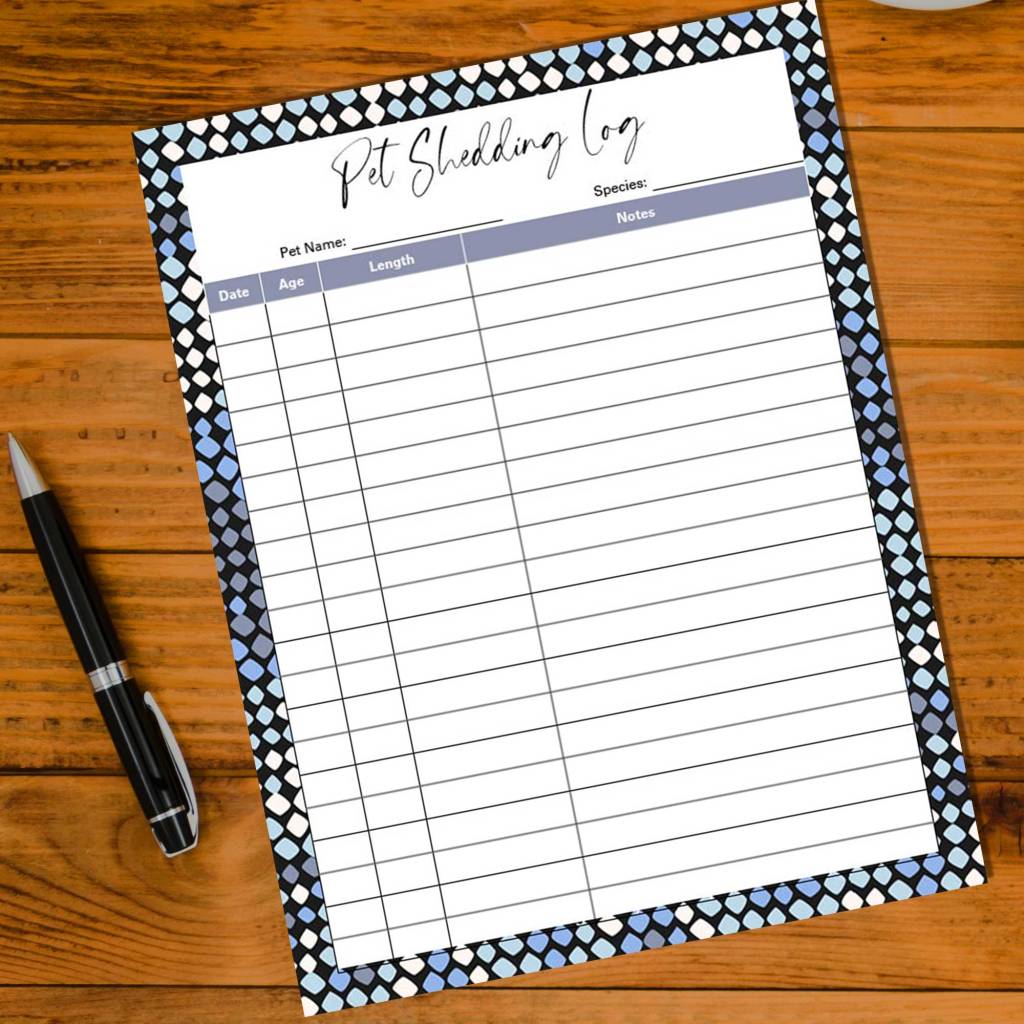
Proper care and attention are essential to keep your pet reptile happy and healthy. When it comes to tracking their shedding cycle and dietary needs, you need to be observant and proactive. By understanding these aspects, you can ensure that your reptile thrives in their environment. In this section, we will discuss the importance of tracking your reptile’s shedding cycle and dietary needs, and provide tips on how to do so effectively.
Understanding Shedding Cycles:
Like all living creatures, reptiles shed their skin periodically as they grow. Shedding is a natural process that enables reptiles to remove old and damaged skin, allowing for new growth. By tracking your reptile’s shedding cycle, you can identify any irregularities or potential health issues that may be affecting them.
Most reptiles have specific signs that indicate they are about to shed. These signs include a dulling of their skin color, dryness or flakiness, and a general lack of appetite. It is important to pay attention to your reptile’s behavior during this period as they may become more irritable or show signs of discomfort. By establishing a pattern in their shedding cycle, you can anticipate when they require extra care and attention.
To track your reptile’s shedding cycle, keep a record in a notebook or use a reptile-specific app. Note down the date when shedding begins and ends, along with any notable observations. This record will help you identify any deviations from their regular cycle, allowing you to seek professional assistance promptly if necessary.
Meeting Dietary Needs:
Reptiles have specific dietary requirements based on their species, age, and size. As a responsible reptile owner, it is crucial to provide them with a balanced diet that meets their nutritional needs. Tracking their dietary requirements will help you ensure they receive the necessary nutrients for growth and overall well-being.
Research and consult with experts to determine the appropriate diet for your reptile. Some reptiles are primarily herbivorous, while others require a combination of insects and vegetation. Once you have established their dietary needs, you can create a feeding schedule and monitor their intake accordingly.
Keep a record of the types and amounts of food you offer your reptile, as well as any changes in their appetite or digestive patterns. This will allow you to identify any potential issues, such as a sudden decrease in appetite or the presence of digestive problems. By maintaining a comprehensive record, you can work closely with your veterinarian to address these concerns promptly.
Remember that hydration is also a vital aspect of your reptile’s diet. Most reptiles require regular access to clean water, either through a water dish or through misting or soaking techniques. Monitor their water consumption to ensure they have an adequate supply at all times.
In conclusion, tracking your reptile’s shedding cycle and dietary needs is crucial for their well-being. By understanding their shedding patterns and maintaining a proper record, you can promptly address any irregularities or health concerns. Additionally, tracking their dietary needs and monitoring their food intake will help you guarantee they receive optimal nutrition. By taking these proactive measures, you can ensure that your beloved reptile is happy, healthy, and thriving in its environment.

Organizing Important Information for Pet Sitters

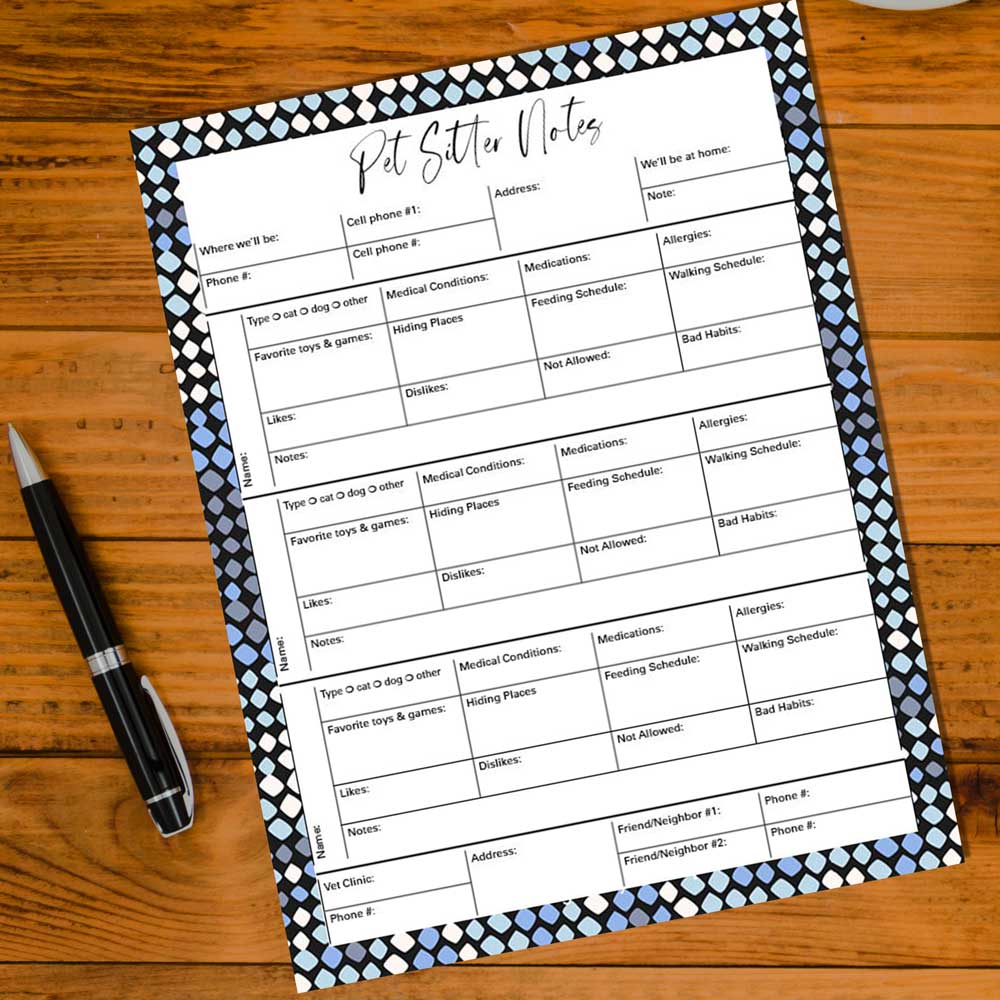
When you have a pet reptile, ensuring their well-being while you’re away becomes a top priority. Whether it’s a short weekend trip or an extended vacation, organizing important information for pet sitters is crucial for maintaining your pet’s happiness and health. By providing detailed instructions on feeding, habitat maintenance, and any specific care needs, you can help your pet sitter feel confident and prepared to look after your beloved reptile.
One of the first steps in organizing important information for pet sitters is creating a comprehensive feeding schedule. Reptiles have specific dietary requirements, and it’s essential to communicate these needs clearly to the person taking care of your pet. Outline the type and quantity of food that should be given, as well as any supplements or additional care instructions during feeding. For example, if your pet requires live prey or has certain dietary restrictions, make sure to specify these details in your instructions. By providing a detailed feeding schedule, you ensure that your pet’s nutritional needs are met even when you’re not there.
Besides food, maintaining a reptile’s habitat is vital for their overall well-being. Before leaving your pet in the care of another person, it’s important to educate them about your reptile’s specific habitat requirements. Provide detailed instructions on temperature ranges, humidity levels, and lighting conditions. If your pet has any specific preferences, such as specific bedding, hiding spots, or basking areas, make sure to include these details as well. Additionally, explain the importance of regularly cleaning the enclosure and the appropriate cleaning techniques to follow. By organizing all this information, you can ensure that your pet’s living environment remains clean, comfortable, and suitable for their needs.
Beyond the daily care routine, some reptiles may have special requirements or health concerns that your pet sitter needs to be aware of. If your pet has any medical conditions, or allergies, or requires medication, provide clear instructions on how to handle these situations. Include contact information for your veterinarian and explain the protocol for emergencies or unforeseen circumstances. Remember to detail any signs of distress or illness that should be monitored closely, so your pet sitter can take immediate action if needed. By giving your pet sitter access to important medical information, you can have peace of mind knowing that your pet is in good hands.
In addition to caring for your pet reptile’s physical well-being, consider providing information on their behavioral traits. Each reptile has unique behaviors and preferences, and sharing this knowledge with your pet sitter can help them form a better understanding of your pet’s needs. For example, if your reptile becomes stressed easily or has certain habits like burrowing or climbing, these details can help your pet sitter create a more suitable and comfortable environment. Sharing your reptile’s favorite activities or toys can also contribute to their overall happiness and mental stimulation while you’re away.
Overall, organizing important information for pet sitters is crucial for ensuring your reptile’s well-being during your absence. By providing clear instructions on feeding, habitat maintenance, medical needs, and behavioral traits, you can help your pet sitter feel confident and capable of caring for your reptile. Remember to communicate openly and answer any questions your pet sitter may have before leaving, so you can both have peace of mind knowing your reptile is in good hands.
Creating a Pet Responsibility Chart for Daily Care Tasks

Taking care of a pet reptile is a rewarding experience, but it also requires a significant amount of responsibility. To ensure that your scaly friend receives proper care every day, creating a pet responsibility chart can be an excellent way to stay organized and on top of the necessary tasks. By following a systematic approach, you can ensure that your pet reptile remains happy, healthy, and well-cared for day after day.
Before jumping into the creation of a pet responsibility chart, it’s crucial to understand the daily care tasks that reptiles typically need. These tasks may vary based on the type of reptile you have, so it’s essential to do some research specific to your pet’s needs. However, some general daily care tasks for reptiles may include feeding, watering, monitoring temperature and humidity levels, cleaning the enclosure, and providing enrichment activities.
Now, let’s discuss how you can create a pet responsibility chart to keep track of these daily care tasks. Start by assigning specific tasks to each family member involved in the pet’s care. This approach ensures that everyone understands their role and shares the responsibility equally. For instance, one person could be responsible for feeding the reptile, while another is in charge of cleaning the enclosure.
Next, decide on the frequency of each care task. Some tasks, like feeding and watering, might need to be done once or twice a day, while others, like cleaning the enclosure, might be required less often. Write down these tasks and their frequencies on a chart, making sure to be as specific as possible. For example, instead of simply stating “Feed the reptile,” specify the type of food, appropriate portion sizes, and the time of day it should be done.
To make your pet responsibility chart visually appealing and easy to understand, consider using a whiteboard or a large piece of poster paper. Divide the chart into columns for each day of the week and rows for each care task. You can also add space for additional notes or reminders. This way, you have a clear overview of what needs to be done, and when helps you stay organized and prevent any tasks from being overlooked.
To make the chart even more engaging, you can add colorful illustrations or stickers related to reptiles. This will create a fun and motivating atmosphere, especially for younger family members. Additionally, you can involve your children in creating the chart, allowing them to contribute their ideas and suggestions. This involvement not only instills a sense of responsibility but also helps them develop a connection and bond with the pet.
Once your pet responsibility chart is complete, display it in a central location where everyone can see it easily. This ensures that all family members are aware of their assigned tasks and can cross them off as they are completed. Regularly referring to the chart will help maintain consistency in caring for your reptile and prevent any tasks from being overlooked or duplicated.
Remember, creating a pet responsibility chart is not only beneficial for the reptile but for every family member involved in its care. It promotes a sense of accountability, and teamwork, and makes taking care of your pet reptile a more enjoyable experience.
Additional Tips for Keeping Your Reptile Happy and Healthy
Now that you have grasped the basics of caring for your pet reptile, it’s time to dive a little deeper and explore some additional tips to ensure their happiness and overall well-being. While reptiles may have unique needs compared to other pets, these tips will help you create an enriching environment in which your scaly friend will thrive.
First and foremost, it’s crucial to prioritize your reptile’s habitat. Make sure to invest in a proper enclosure that mimics their natural environment as closely as possible. Research the specific requirements of your reptile species, such as temperature, humidity, and UV lighting, and ensure that these conditions are met consistently. Regularly monitor and adjust these factors to guarantee a comfortable and safe home for your pet.
Maintain a clean and hygienic enclosure. Regularly remove any waste, uneaten food, or shedded skin to prevent bacterial growth and odor. Ensure that the substrate or bedding material is appropriate for your reptile and change it when necessary as some substrates retain moisture more than others. A clean habitat will not only keep your reptile healthy but also help prevent the spread of diseases.
Proper nutrition is vital to the health of your reptile. Research the dietary requirements of your specific reptile species and provide a varied and balanced diet. While some reptiles mainly eat insects, others might require a combination of insects, fruits, vegetables, and even small mammals. Dusting the food with appropriate supplements will help provide essential vitamins and minerals. Consult with a reptile veterinarian or an experienced reptile owner to ensure you are providing the best diet for your scaly companion.
Reptiles, like any other living creatures, require mental stimulation. Enrich their environment by adding various hiding spots, climbing branches, and puzzle toys. Engage them in natural behaviors, such as hunting for food, by using enrichment feeders or feeding puzzles. Changing the layout and introducing new items periodically will prevent boredom and encourage exploration and physical activity.
Maintain an appropriate temperature gradient within the habitat. Reptiles are ectothermic animals, meaning they rely on external heat sources to regulate their body temperature. Providing a temperature gradient allows them to move between warmer and cooler areas as needed. This will help your pet metabolize food, digest properly, and maintain overall good health.
Regular handling and socialization are essential for most reptiles, allowing them to become accustomed to human interaction. However, it’s important to understand and respect your reptile’s comfort level. Some reptiles may prefer to observe from a distance, while others may enjoy being handled more frequently. Gradually introduce handling to your reptile and always observe their body language for signs of stress or discomfort. Building trust will enhance the bond between you and your pet.
Lastly, keep an eye out for any changes in your reptile’s behavior or appearance. If you notice any abnormal symptoms, such as loss of appetite, lethargy, changes in skin color or texture, or respiratory issues, contact a reptile veterinarian as soon as possible. Regular veterinary check-ups are crucial to catch any potential health issues early on and ensure your reptile receives the best care possible.
By following these additional tips, you will be well-equipped to provide a happy and healthy life for your reptile. Remember to continually educate yourself about your specific reptile species and stay attentive to their needs. A well-cared-for reptile can bring years of joy and companionship, making all
In conclusion, keeping a pet reptile happy and organized is essential for their well-being and overall quality of life. By utilizing the ultimate tracker, planner, and responsibility chart, you can ensure that you are meeting all their needs and giving them the care they deserve. This tool will help you stay organized, keep track of important tasks, and establish a routine for your reptile’s care. From monitoring their feeding schedule to tracking their health, this comprehensive system will make your role as a reptile owner easier and more fulfilling. By being responsible and proactive, you are not only ensuring the happiness of your pet but also strengthening the bond between you. So, don’t delay, get started with the ultimate tracker, planner, and responsibility chart today and give your reptile companion the love and attention they deserve!
 A Dash Of Hemlock
Leave a comment